
Why does hot water temperature fluctuate in the shower?
A fluctuating shower temperature is one of the most annoying household plumbing problems. Most often the fault isn't in the most obvious place — the shower mixer — but somewhere well upstream of it.
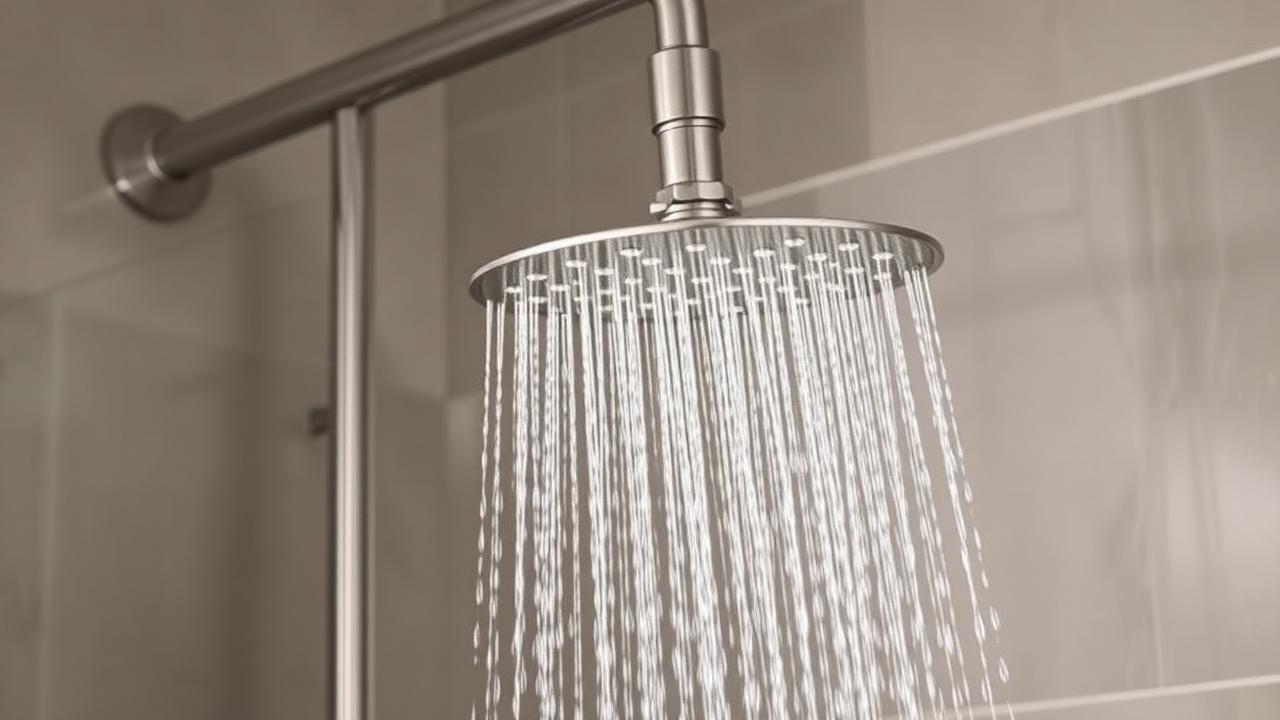
The cause differs depending on whether hot water comes from a cylinder, a gas boiler, or a district heating heat exchanger.
Below are the typical causes for each option, plus a simple checklist that quickly points you in the right direction.
First question: does it fluctuate only in the shower
Check the same water at the kitchen tap. This distinguishes two completely different problems.
- Fluctuates throughout the whole house — the cause is the hot water source (cylinder, boiler, or heat exchanger)
- Fluctuates only in the shower — the cause is the shower mixer or its connection
- Fluctuates when someone else opens a tap or the toilet cistern fills — a pressure balance issue, not temperature
- Fluctuates only in the mornings — peak household demand or a circulation setting
If the source is a hot water cylinder
Temperature fluctuation in a cylinder is usually linked to limescale, the thermostat, or its capacity.
A heating element coated in limescale heats slowly and unevenly, so the cylinder can't keep up with demand.
If the cylinder is too small for the size of the household, it runs out during a shower and the water gradually cools — that's not fluctuation, it's depletion.
How to tell the two apart
With depletion, temperature drops steadily and doesn't come back up. With a genuine fault, temperature jumps up and down even when there's plenty of water available.
If the source is district heating or an instantaneous heater
A flow-based system reacts to changes in flow rate. If someone else in the house opens another tap, the flow rate changes and the unit can't compensate instantly.
In an apartment building, the cause can also be the heat substation's regulator or a circulation imbalance affecting the whole riser. In that case, neighbours usually have the same problem too — and that's important information for the management company.
If the problem is the mixer itself
The inside of a thermostatic mixer scales up over time. Once the thermostatic element can no longer move freely, the mixer starts overcorrecting temperature, and the result is exactly this kind of jumping water.
In a single-lever mixer, the cartridge can wear so much that a small movement of the lever changes the ratio disproportionately.
If the problem is limited to one mixer and the water elsewhere in the house stays stable, the answer has been found — see mixer repair services.
What you can check yourself
Measure the water temperature at the kitchen tap with a thermometer and write it down. Repeat the measurement when the problem occurs.
Check the cylinder's set temperature — too low a setting, for example below 55°C, means less cold water gets mixed in and every fluctuation is felt immediately.
Clean the shower aerator or showerhead. A partly blocked showerhead changes the flow rate and makes fluctuation worse.
When to call a technician
If the water suddenly turns scalding hot, that's a safety issue and shouldn't be put off. For fast help, see emergency plumbing services.
Frequently asked questions
Related services
Need a professional?
Toru SOS responds fast across Tallinn, Harju county and all of Estonia.
- Plumbing work
- Drain unblocking
- CCTV pipe inspection
- High-pressure jetting
- 24/7 emergency service